

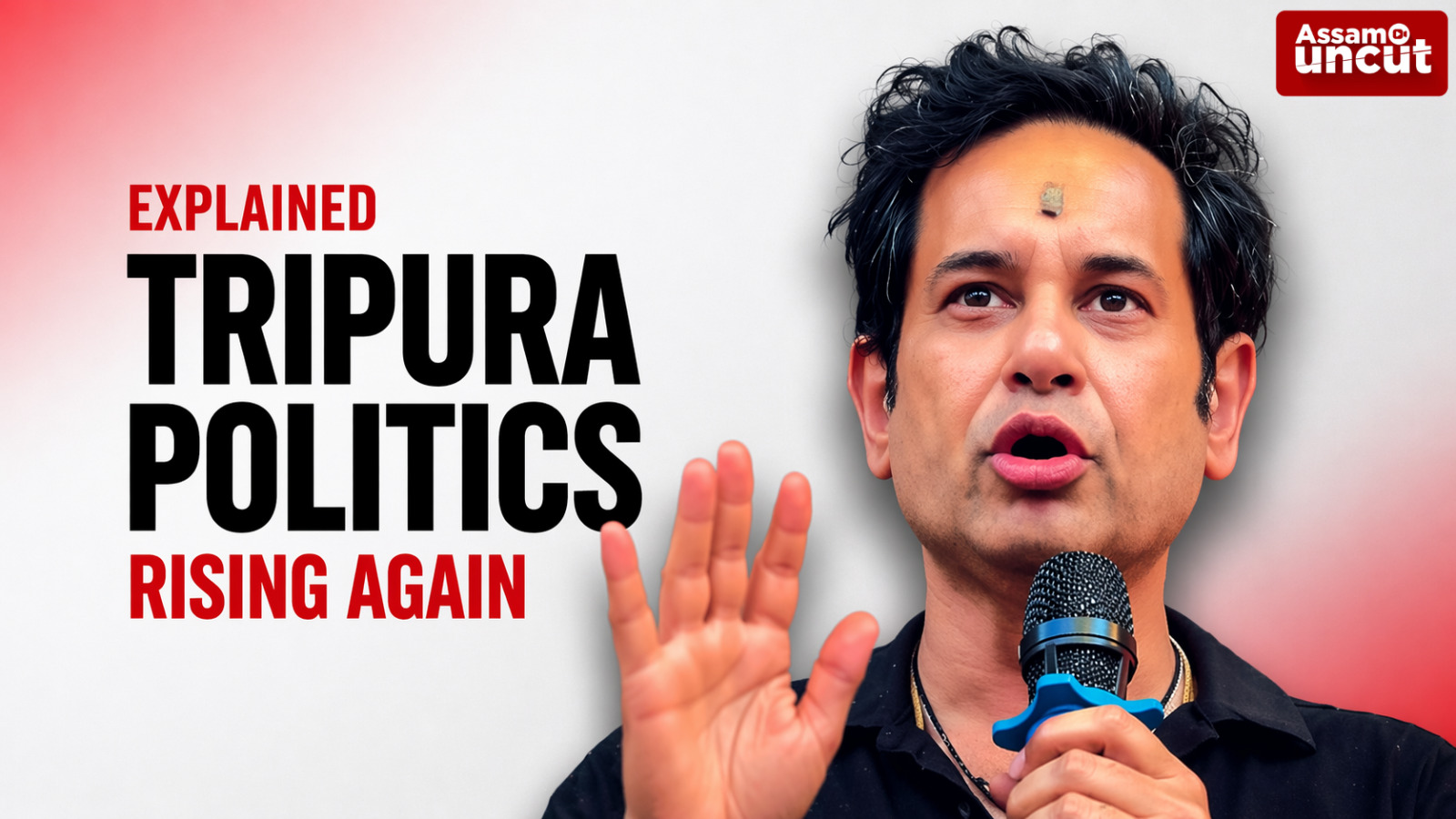
Here’s the enhanced SEO-optimized explainer, now clearly linking Tripura to the larger rise of regionalism in the Northeast: ⸻ Explained: How Tripura’s Political Shift Signals Rising Regionalism Across Northeast India The latest electoral success of the Tipra Motha Party has brought regionalism in Tripura back into sharp focus, marking a decisive shift in the state’s political direction. This is not just a localised political development—it reflects a broader trend where regional identity, indigenous rights, and land-based politics are gaining momentum across Northeast India. In Tripura, this shift is rooted in long-standing demands around identity, autonomy, and cultural preservation. By centring its campaign on “Greater Tipraland,” Tipra Motha has tapped into deep-seated concerns of tribal communities—something national parties have increasingly struggled to address. The importance of this victory is amplified by the role of the Tripura Tribal Areas Autonomous District Council (TTAADC), which governs a large share of the state’s land and indigenous population. With a strong mandate here, the party has positioned itself as the primary political voice of Tripura’s tribal population. At the same time, the results highlight a wider political transition. Across the Northeast—from Assam to Manipur and Nagaland—there is a visible pattern where regional forces are asserting themselves more strongly, often challenging the dominance of national parties. Voters are prioritising local leadership, ethnic identity, and land rights over broader national narratives. The rise of the party under Pradyot Bikram Manikya Debbarma illustrates how a grassroots movement can evolve into a powerful political force when it aligns closely with people’s lived realities. As he noted, “This mandate is a voice of our people for identity, rights, and a future where our communities are heard and respected.” Tripura, in this sense, is becoming a case study of the Northeast’s shifting political landscape—where regionalism is no longer on the margins but at the centre of power. Similar currents can be seen in other states, where local parties and community-driven movements are shaping political discourse. Looking ahead, this resurgence is likely to influence debates on autonomy, governance, and constitutional safeguards for indigenous communities across the region. In essence, Tripura’s message goes beyond its borders: regional politics is not just resurging in one state—it is redefining the political future of the entire Northeast.

TRIPURA : How Tripura’s Political Shift Signals Rising Regionalism Across Northeast India

The latest electoral success of the Tipra Motha Party has brought regionalism in Tripura back into sharp focus, marking a decisive shift in the state’s political direction. This is not just a localised political development—it reflects a broader trend where regional identity, indigenous rights, and land-based politics are gaining momentum across Northeast India. In Tripura, this shift […]

Continue Reading